
Information and Resources
What you’ll find here:
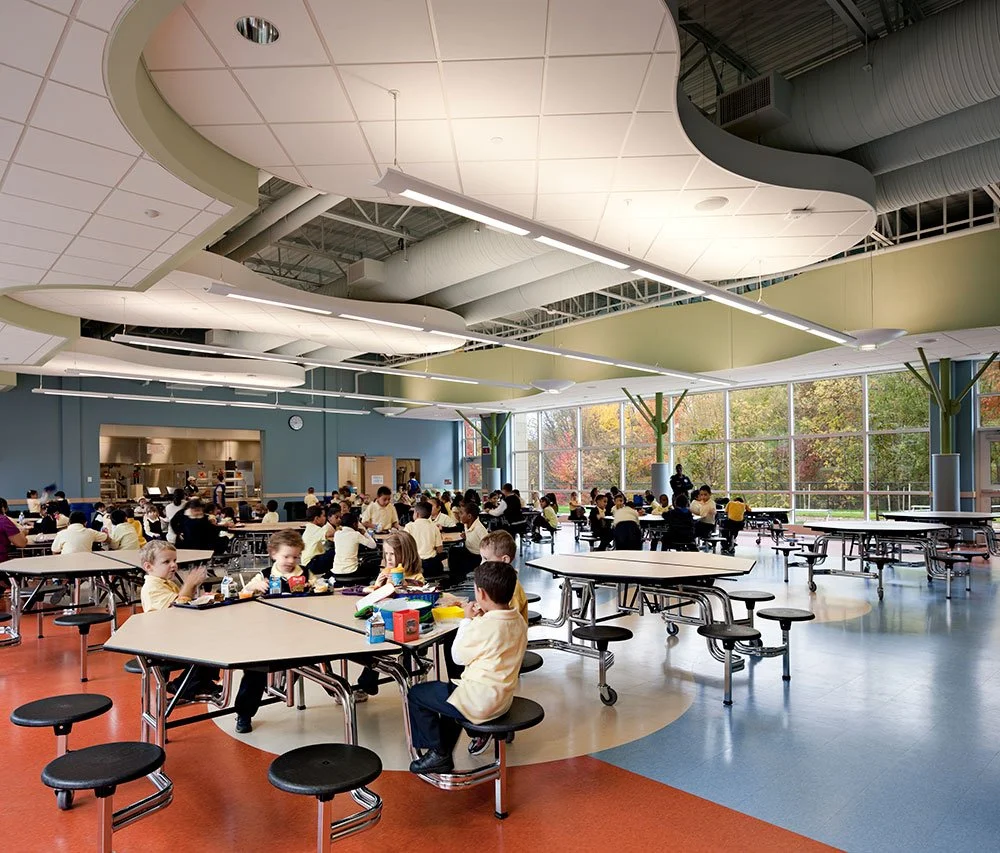
Important PTA documents, helpful resources, and downloads for the ESM community.
If you’re looking for something and don’t see it here, feel free to reach out.
Pay Your Annual Dues Here:
Fill out your Volunteer Form Here:
PTA Documents
Bylaws
Meeting Agendas
Meeting Minutes
Downloads and Flyers

PTA Poster
This poster can be printed and distributed or posted around school.

Half-Sheet Flyer
This flyer may be passed out to students and parents ahead of meetings.

PTA Parent Handout
This handout may be given to parents to invite them to join the PTA.

Backpack Tags
These tags may be distributed to teachers to attach to student backpacks the day of meetings.

ESM PTA Logo
This logo may be used for letterhead, flyers, and promo material
Need changes or updates to any of these materials? Contact esmpta@gmail.com
Resources And
References
Strong school communities don’t happen by accident, they’re built. The following research supports the idea that when families are connected, supported, and engaged, students perform better, households become more stable, and communities adopt more sustainable practices.
Here are some resources we’ve found helpful in supporting students and building strong school communities.
Social Capital in the Creation of Human Capital
This research shows that when families are actively involved in their child’s education, students have better grades, better attendance, and improved behavior. Schools that include families create stronger learning environments.
School, Family, and Community Partnerships
This study shows that social support helps reduce stress and improves mental health. Families with strong support systems are more stable and better able to handle challenges.
A General Framework for Analyzing Sustainability
This research shows that local, community-led efforts are more effective than top-down rules when it comes to creating lasting sustainable habits.
Changing Behavior With Normative Feedback
This study shows that people are more likely to adopt environmentally friendly habits when they see others around them doing the same. Shared behavior within a community plays a strong role in change.
Environmental Protection Agency: Community-Based Social Marketing
Research supported by the EPA shows that hands-on, community-based programs are more effective than information alone when it comes to reducing waste and encouraging long-term sustainable habits. People are more likely to change their behavior when they learn through shared, practical experiences.
Bowling Alone
This study shows that students do better in school when families are connected to each other and to the school. Strong community networks, often called social capital, help support learning, responsibility, and access to opportunities.
Stress, Social Support, and the Buffering Hypothesis
This work looks at how the decline of community connections affects society. It shows that when people are less connected, outcomes in education, safety, and wellbeing get worse. Communities with strong relationships tend to do better overall.
Centers for Disease Control and Prevention (Protective Factors)
Public health research shows that strong relationships and supportive communities help children develop in healthier ways. These connections also reduce the risk of family instability and stress.